How to Store Filament Refills: Humidity, Drying, and Shelf Life
Updated September 25, 2026
A refill usually arrives with less packaging than a full retail spool - often just a bag, without a sealed spool body or the manufacturer's own desiccant sachet built in - so it can pick up moisture faster once opened. The material itself absorbs water at the same rate either way; the difference is how much protective packaging you're relying on.
Moisture sensitivity by material
Not all filaments need the same level of care. From most to least sensitive:
- Nylon (PA): the most hygroscopic common filament - it can absorb a noticeable amount of moisture from the air within hours if left unprotected, and needs the longest, hottest drying cycles to recover (commonly cited around 80-100°C for many hours, though check your specific filament's own guidance).
- PVA: water-soluble by design, so it's extremely sensitive - humid air alone can make it unprintable in a short time. Keep it sealed whenever it's not actively printing.
- PETG: absorbs moisture more slowly than nylon but meaningfully faster than PLA; wet PETG commonly shows as stringing, popping, or a rougher surface finish.
- PLA: the most forgiving of the common materials, but not immune - it will still degrade in print quality if left out for extended periods in a humid environment.
General material behavior, not a brand-specific measurement - always defer to your particular filament's own datasheet if it publishes one.
A practical storage routine for refills
- Mount the refill onto its spool as soon as you open it rather than leaving the bare coil sitting out - this reduces the surface area exposed to air and makes it easier to bag properly.
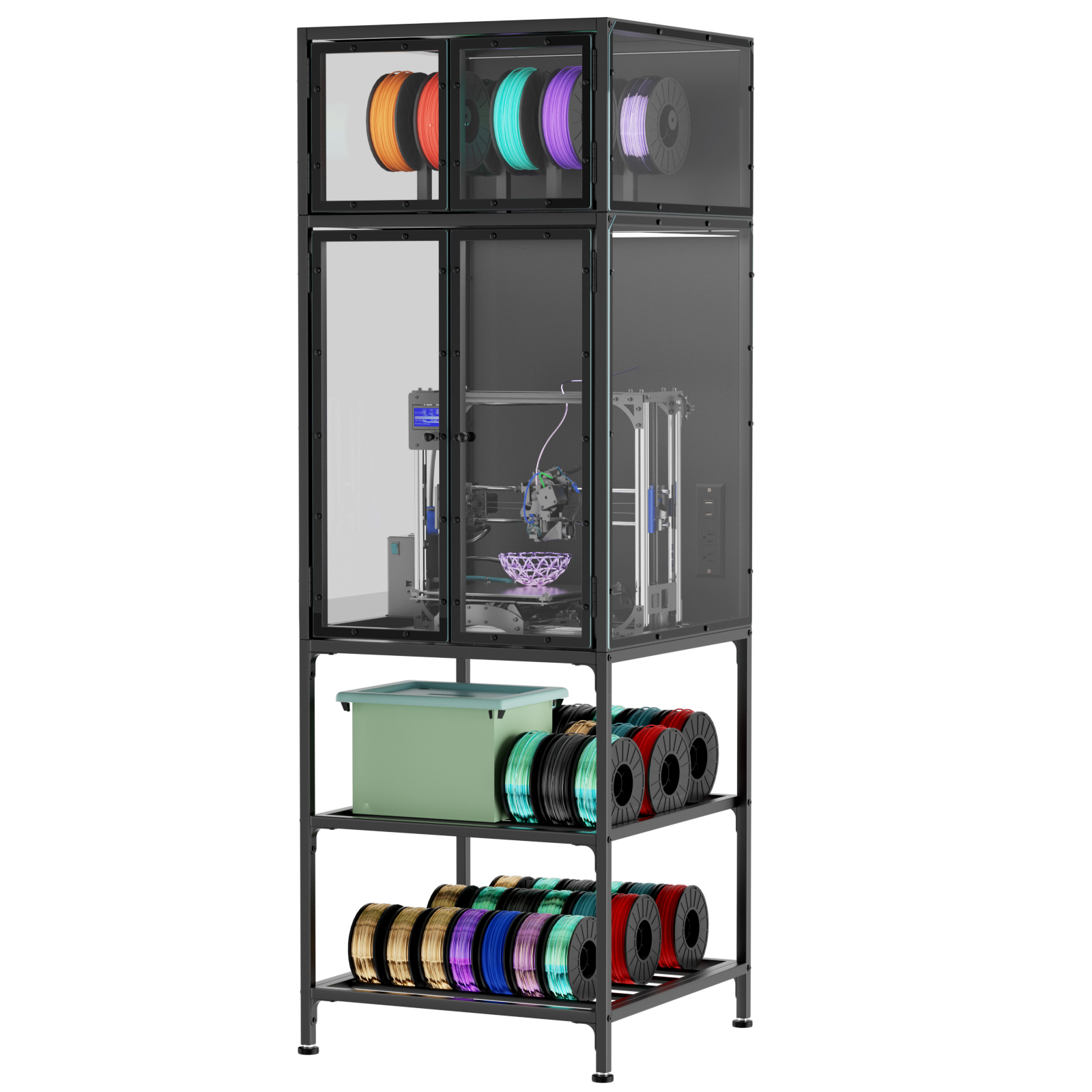
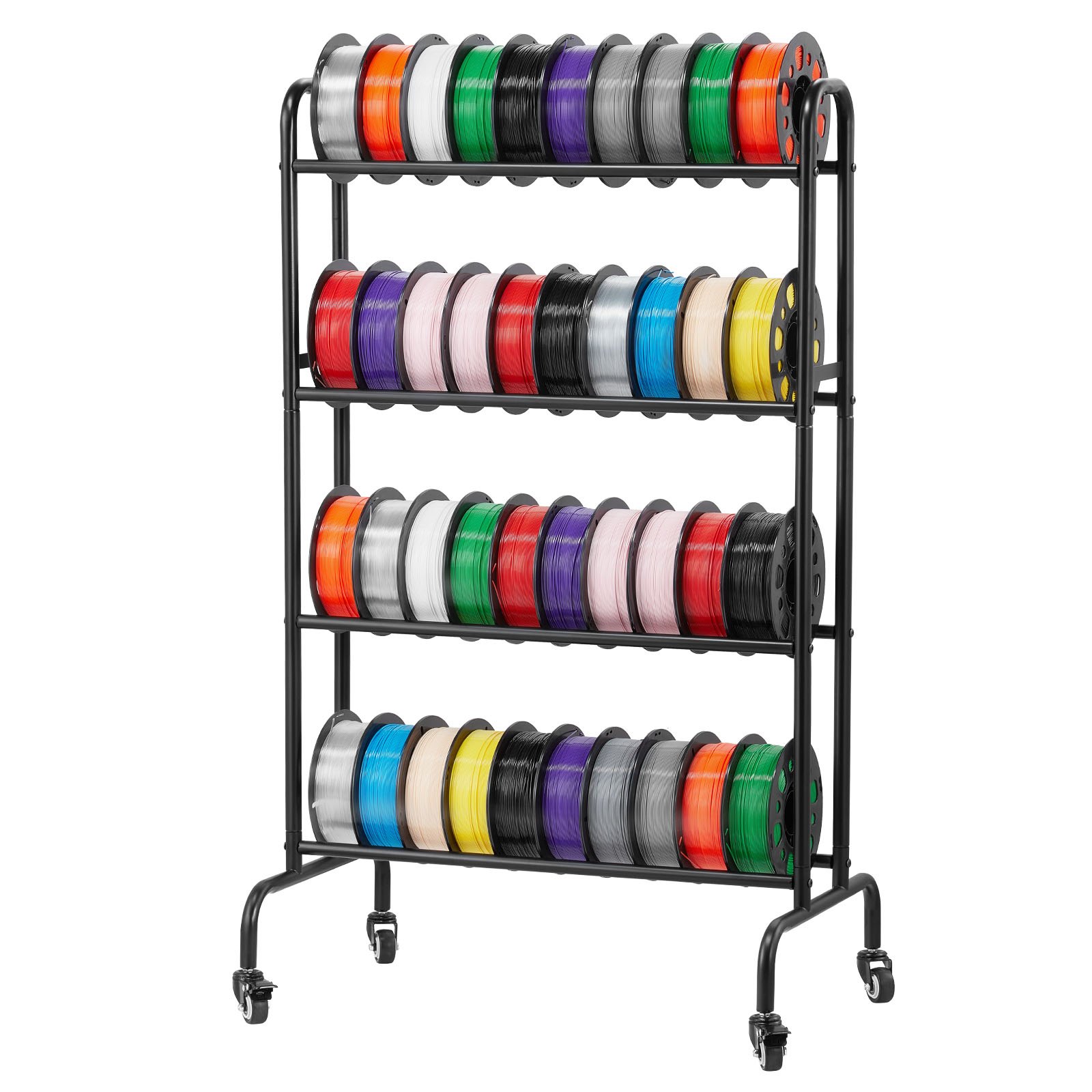
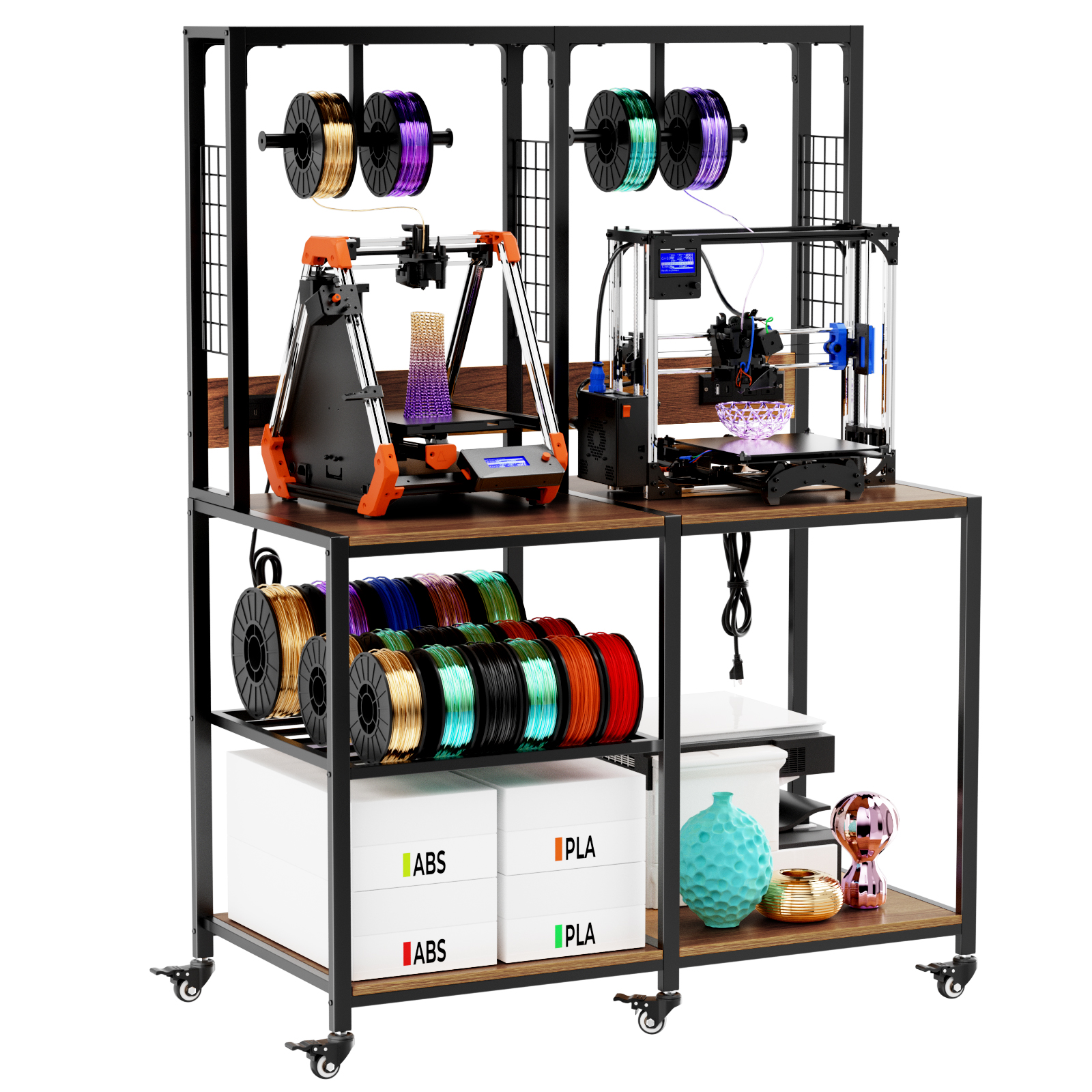
- Store in a sealed container with desiccant - a dedicated dry box, or a food-safe airtight container with silica gel packs, works for most materials. Reuse the resealable bag the refill shipped in if that's all you have.
- Swap or recharge desiccant regularly - color-indicating silica gel turns from orange/blue to green/pink as it saturates; oven-dry it (check the product's own instructions for temperature) to reuse it rather than buying new packs constantly.
- Print from a dry box when possible for moisture-sensitive materials (nylon, PETG, PVA, most flexibles) so the spool never sits in open air for the length of a long print.
- Dry filament that's already gone soft rather than discarding it - a filament dryer or oven at the material's recommended temperature for several hours will recover most PLA and PETG; nylon and PVA generally need longer, hotter cycles and PVA is the least forgiving to over-dry.
Signs a refill has absorbed moisture
- Audible popping or crackling sounds during extrusion
- Stringing that's worse than usual for that material
- A rougher, less glossy surface finish than a fresh spool of the same filament produces
- Visible steam or small bubbles at the nozzle tip
Related
- Why your filament refill won't fit: 5 common causes (a swollen, moisture-affected core is one of them)
- Filament refill vs. spool: what's the difference?